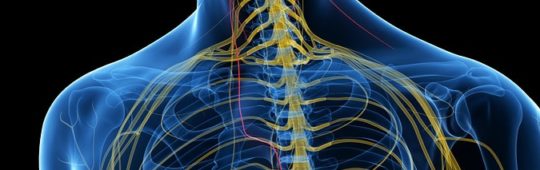
19 Factors That May Stimulate Your Vagus Nerve Naturally
Good vagal nerve function is crucial for optimal health. Emerging research suggests that it might not function well in many chronic disease states. In this post, we will review factors that may increase its tone with stimulation and how this can affect health.
19 Factors that May Stimulate the Vagus Nerve
When to See a Doctor
If your goal is to stimulate your vagus nerve to improve your mood- or extreme stress-related issues – including those of panic disorders or anxiety – it’s important to talk to your doctor, especially stress if it is significantly impacting your daily life.
Major mental changes, such as excessive sadness, panic, persistent low mood, euphoria, or anxiety, are all reasons to see a doctor.
Your doctor should diagnose and treat any underlying conditions causing your symptoms.
Remember that the existing evidence does not suggest that low vagal tone causes anxiety or mood disorders. Complex disorders like anxiety always involve multiple possible factors – including brain chemistry, environment, health status, and genetics – that may vary from one person to another.
Additionally, changes in nerve tone and brain chemistry are not something that people can change on their own with the approaches listed here. Instead, the factors mentioned in this article are meant to reduce daily stress and support overall mental health and well-being. Most are backed up only by limited human or animal studies.
Therefore, you may try the strategies listed below if you and your doctor determine that they could be appropriate. Read through the approaches we bring up and discuss them with your doctor before trying them out. This is particularly important if you plan to take any dietary supplements.
Supplements have not been approved by the FDA for medical use and generally lack solid clinical research. Regulations set manufacturing standards for them but don’t guarantee that they’re safe or effective.
Finally, have in mind that none of these strategies should ever be done in place of what your doctor recommends or prescribes.
1) Cold
According to one study on 10 healthy people, when the body adjusts to cold temperatures, your fight-or-flight (sympathetic) system declines and your rest-and-digest (parasympathetic) system increases, which is mediated by the vagus nerve. In this study, temperatures of 50°F (10°C) were considered cold [1].
Sudden cold exposure (39°F/4°C) also increases vagus nerve activation in rats [2].
Although the effects of cold showers on vagus nerve tone haven’t been studied, many people advocate for this traditional cooling method.
When we think about it, all showers were cold showers before the advent of water-heating techniques. Anecdotally, cold tubs are popular in Japan, while many Northern nations partake in dips